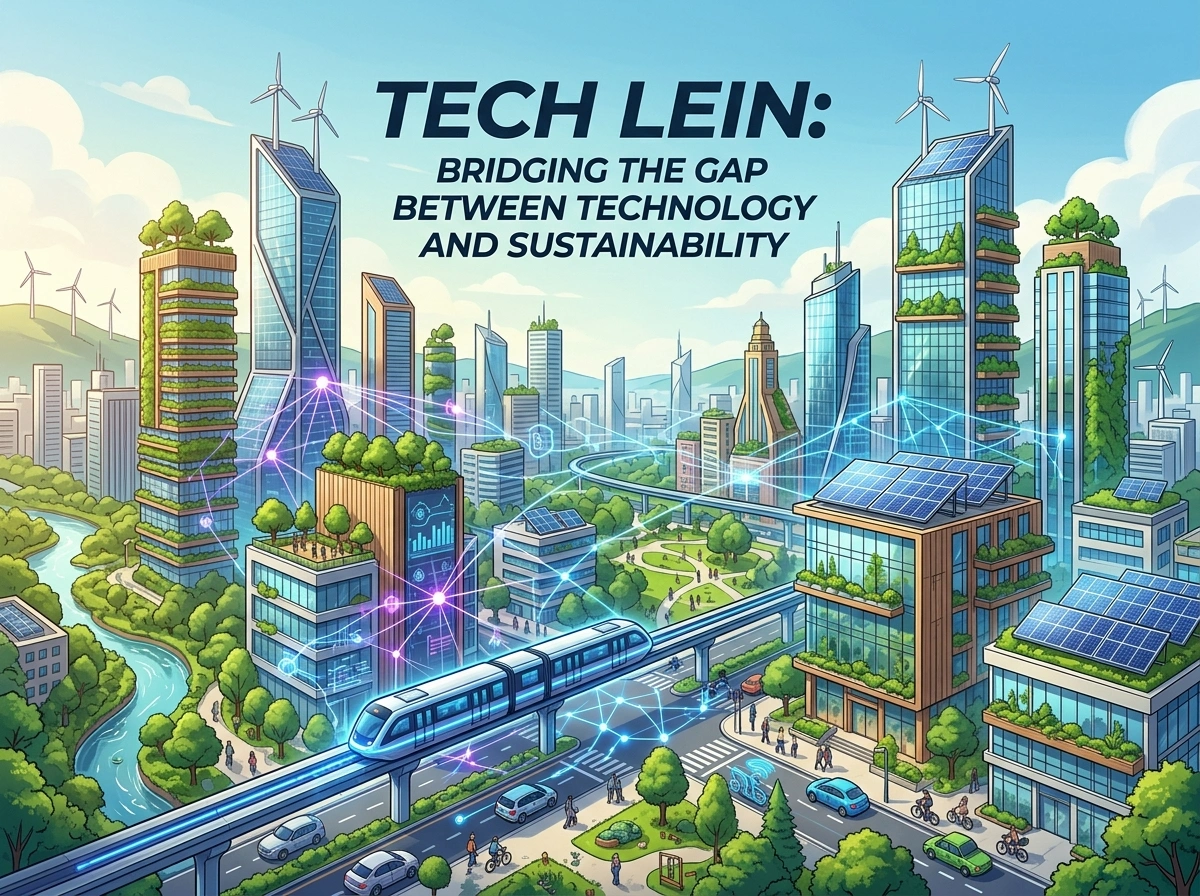
For decades, technological advancement and environmental preservation seemed locked in a zero-sum game. Progress required resources, and innovation often left a heavy ecological footprint. We now stand at a critical pivot point. The conversation has shifted from how technology harms the environment to how it serves as the ultimate catalyst for global sustainability. We face urgent climate mandates and tightening Environmental, Social, and Governance (ESG) standards, making the fusion of digital innovation and ecological responsibility a fundamental business imperative.
Bridging the gap between technology and sustainability requires more than surface-level commitments. It demands a structural rethinking of how we build, deploy, and manage technological infrastructure. By leveraging cutting-edge innovations, businesses can optimize resource consumption, transition to cleaner energy sources, and participate in a regenerative economic model. This article explores the core pillars of sustainable technology, highlighting how modern enterprises can align their digital transformation with planetary health.
The Intersection of Innovation and Environmental Responsibility
Corporate sustainability has evolved far beyond basic compliance. Stakeholders, investors, and consumers now expect organizations to demonstrate measurable progress toward net-zero emissions. Technology sits squarely at the center of this transition. While the tech sector itself accounts for a significant portion of global electricity usage, it also holds the tools necessary to decarbonize every other industry on the planet.
This intersection focuses on systemic efficiency. We use data analytics to track carbon emissions across complex supply chains. We deploy artificial intelligence to predict equipment failures before they cause environmental hazards. We implement Internet of Things (IoT) sensors to monitor water usage in real-time agriculture. The goal is no longer just doing less harm; it involves actively regenerating natural systems through intelligent digital intervention. Solutions that merge these two disciplines, like tech lein, demonstrate the profound impact of aligning operational efficiency with ecological stewardship.
Green Computing: Redefining Digital Infrastructure
As our reliance on digital services grows, so does the physical infrastructure required to support it. Data centers, cloud networks, and end-user devices consume vast amounts of power and generate significant heat. Green computing aims to mitigate this impact by designing, manufacturing, and operating digital systems with maximum energy efficiency and minimal environmental footprint.
Optimizing Data Center Operations
Data centers act as the beating heart of the modern economy, but they are also massive energy sinks. Traditional cooling methods rely on heavy power consumption to prevent server overheating. Forward-thinking operators now employ advanced thermal management systems, including liquid cooling and algorithmic climate control. By using machine learning models to predict server loads and adjust cooling dynamically, facilities can drastically reduce their power usage effectiveness (PUE). Furthermore, shifting workloads to regions with colder climates or abundant renewable energy sources allows companies to run intensive computational tasks without burning fossil fuels.
Cloud Migration and Resource Consolidation
Moving from on-premises servers to cloud environments represents a major step toward green computing. Major cloud providers operate at a scale that allows for hyper-efficient resource allocation. Instead of thousands of companies running half-empty private servers, cloud architecture pools computing power, ensuring servers run near optimal capacity. This multitenant approach reduces the total hardware required globally, cutting down both operational emissions and the manufacturing footprint of IT equipment.
Tackling Electronic Waste
Hardware lifecycle management remains a critical component of green computing. Rapid upgrade cycles produce millions of tons of electronic waste (e-waste) annually, leaking toxic metals into the environment and squandering precious rare-earth minerals. Sustainable IT policies focus on extending the lifespan of hardware through modular design, rigorous maintenance, and right-to-repair initiatives. When devices finally reach the end of their usable life, responsible organizations ensure they enter certified recycling programs where materials can be reclaimed and reintegrated into the manufacturing stream.
Renewable Energy Integration: Powering the Future
Technology does not just consume power; it actively transforms how we generate, distribute, and store it. The transition from carbon-heavy fossil fuels to renewable energy sources like solar, wind, and hydroelectric power relies entirely on advanced digital infrastructure. Renewables are inherently intermittent—the sun does not always shine, and the wind does not always blow. Technology bridges the gap between fluctuating supply and consistent demand.
Building the Smart Grid
Traditional power grids operate on a one-way street, pushing electricity from large power plants to passive consumers. Modern smart grids function as dynamic, bidirectional networks. They use advanced sensors and real-time data processing to balance electrical loads across entire regions. If a sudden spike in demand occurs, the smart grid can instantaneously draw power from distributed energy resources, such as residential solar panels or commercial battery storage facilities. This intelligent routing minimizes energy loss during transmission and ensures renewable power is utilized at maximum efficiency.
Artificial Intelligence in Energy Management
Artificial intelligence plays an indispensable role in renewable energy integration. Predictive algorithms analyze weather patterns, historical usage data, and current grid conditions to forecast energy generation and consumption with remarkable accuracy. Utility companies use these insights to spin up auxiliary power sources only when absolutely necessary, drastically reducing reliance on carbon-intensive peaker plants. On a micro level, AI-driven smart building systems adjust heating, cooling, and lighting based on occupancy and grid stress, slashing commercial energy waste.
Advancements in Energy Storage
Grid-scale energy storage represents the final hurdle in total renewable integration. Battery technology has advanced rapidly, driven by investments in electric vehicles and consumer electronics. Next-generation storage solutions, including solid-state batteries and green hydrogen systems, promise higher energy density and longer lifecycles. Digital management systems monitor these batteries at the cellular level, optimizing charge and discharge cycles to prolong their lifespan and ensure a steady flow of clean energy to the grid.
The Circular Economy: Technology as an Enabler
The traditional linear economy operates on a “take, make, dispose” model. This approach depletes finite resources and overwhelms ecosystems with waste. The circular economy offers a sustainable alternative, focusing on designing out waste, keeping materials in use, and regenerating natural systems. Digital technology provides the transparency and coordination necessary to make circularity functional on a global scale.
Supply Chain Traceability
You cannot manage what you cannot measure. Blockchain technology and distributed ledgers provide immutable records of a product’s journey from raw material extraction to final assembly. This traceability ensures that components are sourced ethically and sustainably. If a manufacturer wants to verify that their steel is produced using green hydrogen rather than coal, blockchain provides verifiable proof. This level of transparency builds consumer trust and forces suppliers to adhere to strict ESG standards.
Product-as-a-Service Models
Technology enables a shift from product ownership to access-based services. Instead of buying a heavy piece of machinery, a company might lease its output. IoT sensors embedded in the equipment transmit performance data back to the manufacturer, who remains responsible for maintenance, upgrades, and end-of-life recycling. Because the manufacturer retains ownership, they have a powerful financial incentive to build durable, easily repairable products rather than relying on planned obsolescence. This model vastly reduces resource consumption while maintaining economic growth.
Advanced Material Recovery
When products eventually break down, artificial intelligence and robotics streamline the recycling process. Automated sorting facilities use computer vision to identify and separate different types of plastics, metals, and glass with greater speed and accuracy than human workers. This high-purity sorting makes recycled materials far more valuable and usable for secondary manufacturing, closing the loop on resource extraction.
Overcoming Challenges in Sustainable Tech
While the potential of sustainable technology is vast, realizing this vision requires overcoming substantial barriers. The initial capital expenditure for upgrading legacy infrastructure to green alternatives can be daunting. Companies must look beyond short-term quarterly profits and evaluate the total cost of ownership, factoring in future energy savings and carbon tax avoidances.
Additionally, data silos and fragmented reporting standards make it difficult for organizations to track their exact environmental impact. Unifying ESG data across disparate global operations requires robust enterprise software and a cultural shift toward radical transparency. We must also address the digital divide. Ensuring that developing nations have access to clean tech and green infrastructure is essential; climate change is a global crisis that cannot be solved by isolated pockets of innovation.
Conclusion
The convergence of technological innovation and environmental stewardship offers our best path forward. Technology is no longer merely a tool for accelerating business; it is the foundational infrastructure required to build a sustainable global economy. By embracing green computing, accelerating renewable energy integration, and driving the transition to a circular economy, businesses can secure their competitive advantage while protecting the planet.
Bridging this gap requires continuous commitment, significant investment, and an unwavering belief that economic success and ecological health are deeply intertwined. As we push the boundaries of artificial intelligence, advanced networking, and material science, we must evaluate every breakthrough not just by its capability, but by its planetary impact. The organizations that master this balance will not only define the future of technology—they will ensure we actually have a future to build upon.