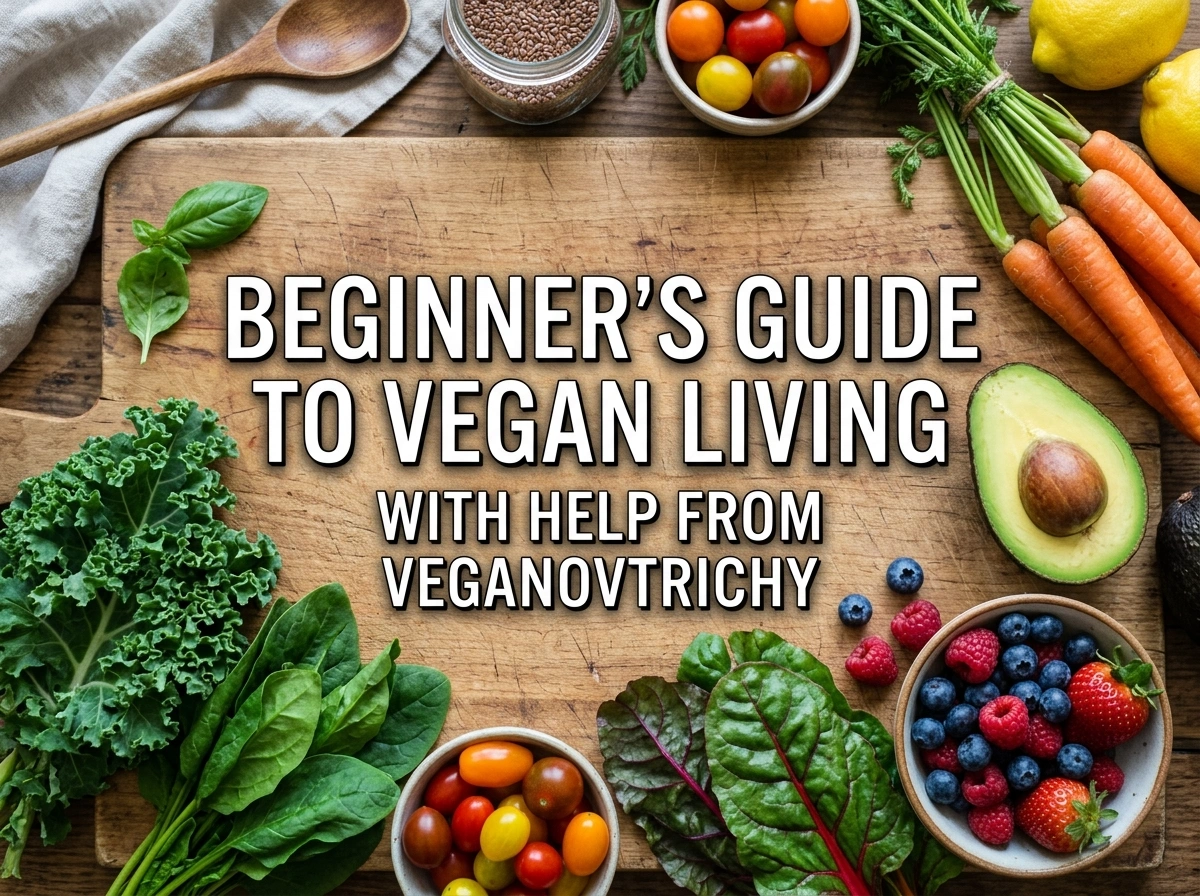
Switching to a vegan lifestyle can feel exciting and a little overwhelming at the same time. You might have questions about what to eat, how to shop, and whether you can still enjoy your favorite meals. The good news? Going vegan is easier than ever, especially when you have the right guidance and support along the way.
This guide breaks down everything a beginner needs to know. From understanding what vegan living really means to planning balanced meals and handling social situations, you’ll find practical tips to make your transition smooth and enjoyable.
What Is Vegan Living?
Vegan living means choosing a lifestyle that avoids animal products. This includes food like meat, dairy, eggs, and honey. Many vegans also skip products made from animals, such as leather, wool, and certain cosmetics tested on animals.
At its heart, veganism focuses on plant-based eating. Your plate fills up with vegetables, fruits, grains, legumes, nuts, and seeds. It’s a way of eating and living that values compassion, health, and sustainability.
You don’t have to be perfect overnight. Vegan living is a journey, and every small step makes a difference.
Why Beginners Choose Vegan Living
People decide to go vegan for many reasons. Understanding your “why” can keep you motivated when things get tricky.
Health benefits top the list for many beginners. A well-planned vegan diet is rich in fiber, vitamins, and antioxidants. Studies link plant-based eating to lower risks of heart disease, high blood pressure, and certain cancers.
Animal welfare is another powerful reason. Choosing vegan products means you’re not supporting industries that harm animals.
Environmental concerns also play a big role. Plant-based diets use less water and land, and they produce fewer greenhouse gases than diets heavy in animal products.
Whatever your reason, knowing it will help you stay committed.
How to Transition Gradually
You don’t need to change everything in a single day. In fact, a slow and steady approach often works best for beginners.
Start by adding more plant-based meals to your week. Try “Meatless Mondays” or swap one meal a day for a vegan option. Over time, increase the number of plant-based meals until they become your norm.
Another helpful method is to focus on one category at a time. You might cut out red meat first, then poultry, then dairy and eggs. This step-by-step process feels less stressful and gives your body time to adjust.
Be patient with yourself. Mistakes happen, and that’s perfectly okay. The goal is progress, not perfection.
Pantry Essentials for New Vegans
Stocking your kitchen with the right ingredients makes vegan cooking simple and fun. Here are some staples worth keeping on hand:
- Legumes: Lentils, chickpeas, black beans, and kidney beans are protein-packed and versatile.
- Whole grains: Brown rice, quinoa, oats, and whole wheat pasta give you energy and fiber.
- Nuts and seeds: Almonds, walnuts, chia seeds, and flaxseeds add healthy fats and crunch.
- Plant-based milk: Soy, almond, oat, or coconut milk work great in drinks and recipes.
- Tofu and tempeh: These soy products absorb flavors well and make excellent meat substitutes.
- Spices and condiments: Nutritional yeast, soy sauce, tahini, and a range of herbs bring meals to life.
With these basics, you can whip up countless tasty dishes without much effort.
Nutrition Basics Every Beginner Should Know
A balanced vegan diet provides all the nutrients your body needs. Still, beginners should pay attention to a few key areas.
Protein comes from beans, lentils, tofu, tempeh, nuts, and seeds. Eating a variety of these foods ensures you get enough.
Vitamin B12 is mostly found in animal products, so vegans should take a supplement or eat fortified foods like plant milk and cereals.
Iron is available in leafy greens, beans, and dried fruit. Pair iron-rich foods with vitamin C sources, like citrus fruits, to boost absorption.
Calcium can come from fortified plant milk, tofu, and dark greens such as kale and broccoli.
Omega-3 fatty acids are found in flaxseeds, chia seeds, and walnuts.
Eating a colorful, varied diet usually covers most of your needs. When in doubt, talk to a healthcare provider for personalized advice.
Easy Meal Planning Tips
Planning your meals saves time, money, and stress. It also helps you avoid reaching for non-vegan options when hunger strikes.
Start by choosing a few simple recipes you love. Build your weekly menu around them, then create a shopping list based on what you need.
Batch cooking is a beginner’s best friend. Prepare large portions of grains, beans, or soups, and store them for quick meals later in the week.
Keep healthy snacks ready too. Fresh fruit, hummus with veggies, or a handful of nuts make great choices when you’re on the go.
Over time, you’ll discover your favorite go-to meals, and planning will feel like second nature.
Common Beginner Mistakes to Avoid
Every new vegan stumbles a little at the start. Knowing these common mistakes can help you sidestep them.
Relying too much on processed foods is a frequent slip. Vegan junk food exists, and while it’s fine occasionally, whole foods should make up most of your diet.
Not eating enough is another issue. Plant foods can be lower in calories, so be sure to eat enough to fuel your body.
Ignoring nutrition can lead to deficiencies. Pay attention to B12, iron, and other key nutrients from the start.
Giving up too soon happens when people expect instant results. Give yourself time to adjust and learn.
Handling Social Situations
Eating out or attending gatherings can feel tricky when you’re new to veganism. With a little preparation, you can handle these moments with confidence.
When dining out, check menus ahead of time. Many restaurants now offer vegan options, and staff are usually happy to help.
At parties or family dinners, offer to bring a vegan dish to share. This way, you’ll always have something to enjoy, and others can try it too.
Be kind and patient when explaining your choices. Most people are curious rather than critical. Sharing your reasons can spark great conversations and even inspire others.
How Local Support Can Help
Going vegan is much easier when you’re not doing it alone. Local communities, groups, and resources can offer encouragement, recipes, and friendship.
Connecting with others who share your lifestyle helps you stay motivated. You can swap tips, discover new restaurants, and find products you might have missed.
For those looking for guidance and community support, veganovtrichy offers helpful resources to make your plant-based journey smoother. Tapping into local support can turn a solo effort into a shared, joyful experience.
Whether online or in person, surrounding yourself with like-minded people keeps your enthusiasm strong.
Conclusion
Starting a vegan lifestyle is one of the most rewarding choices you can make. It benefits your health, supports animals, and helps the planet. While the journey may seem daunting at first, taking it one step at a time makes all the difference.
Stock your pantry with plant-based staples, plan balanced meals, and learn the basics of vegan nutrition. Don’t worry about small mistakes, and lean on local support whenever you need a boost.
With patience, curiosity, and the right resources, you’ll soon find that vegan living is both simple and satisfying. Your plant-based adventure starts today, and you’ve got everything you need to thrive.